How to choose a blockchain network
After this lesson you can tell the asset from the network and choose a route both sides can use.
10-12 min
Network, coin and token
A blockchain network is an environment with its own record rules. A coin such as ETH, TRX or BNB is the native asset of its network, and it is usually what pays the fee.
A token is issued by a contract inside a network. USDT is a token from one issuer, issued in several environments. ERC-20 belongs to Ethereum, TRC-20 to Tron, BEP-20 to BNB Smart Chain. The same ticker does not mean the same network.
Three familiar homes for USDT
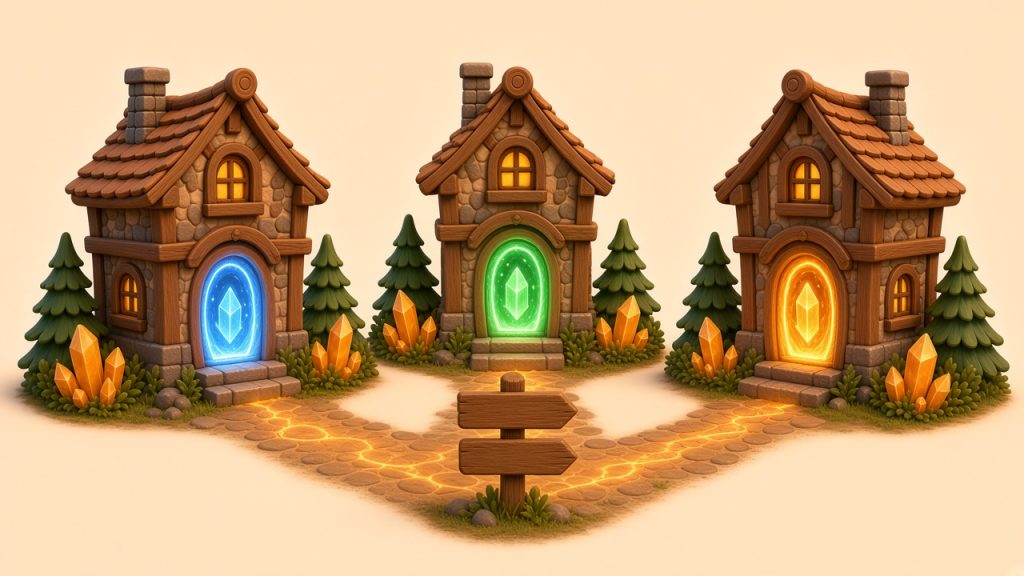
USDT on Ethereum lives among Ethereum records and the fee is usually paid in ETH. USDT on Tron lives on Tron, and the fee is tied to TRX or network resources. USDT on BNB Smart Chain lives there, and the fee is paid in BNB.
USDT also exists on other networks. It is still the issuer's token, in another environment. A normal transfer cannot move it from TRC-20 to ERC-20. That needs a supported bridge, an exchange or a swap. The look of an address is not proof either.
| Ethereum | Tron | BNB Smart Chain | |
|---|---|---|---|
| USDT standard | ERC-20 | TRC-20 | BEP-20 |
| Fee is usually paid in | ETH | TRX or network resources | BNB |
| Same ticker | USDT | USDT | USDT |
A common mistake is to send ERC-20 USDT to an address the recipient gave for TRC-20. The funds can end up outside ordinary access.
Choose the shared network
The right network is one the sender can use and the recipient explicitly accepts. If the lists do not overlap, do not send on that pair.
Remember
- The ticker USDT does not name the network.
- ERC-20, TRC-20 and BEP-20 are different homes for one token.
- Sender and recipient must share one compatible network.
- A similar-looking address does not replace the named network.
Check yourself
This lesson is marked complete in this browser.